

In 87.4%* of the multiple choice questions concerning the definitions of one of the following: experimental cinema; avant-garde cinema; experimental film; experimental short film; or avantgarde film, the answer is one of the following: none of the following; none of the above; none of the listed below; (or in rarer cases) neither.
Perhaps it is easier to define experimental movies in a structuralist way, using binary oppositions and negation. Experimental films are not the kind of films that follow the pop structures of verse-chorus-verse and first-second-third act. It would be inaccurate to say that, for example, Mothlight by Stan Brakhage has a “plot” or a “narrative.” There is no director’s cut version of an experimental film because studios are not interested in exerting control over something which is by (elusive) definition marginal, underground, and unpopular.
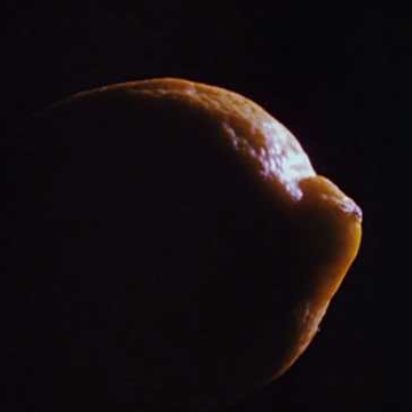
Avant-garde films are in a way their own Macguffin–just like the lemon in Hollis Frampton’s Lemon.
Or maybe Stan Brakhage’s Metaphors On Vision and its quest for a new language of seeing explains it better. In essence, experimental films, and especially Brakhage’s, are this new method of visual expression: a kind of weird creole, a language of the poets that neglects the grammar rules due to its predilection for alternative and distinctive methods of symbolic expression.
*All statistics provided by the Sophisticated Statistics Society. For more info and a pie chart representation of the available data,
[…]